I started Independence Development due to the lack of therapeutic care for young people, we are proud of our 14 year track record of delivering care to our young people.
Dr Michael Olyedemi
Clinical Director
We are firm believers that every young person has the right to experience happiness, and for this reason we work with the most challenging cases, producing positive outcomes.
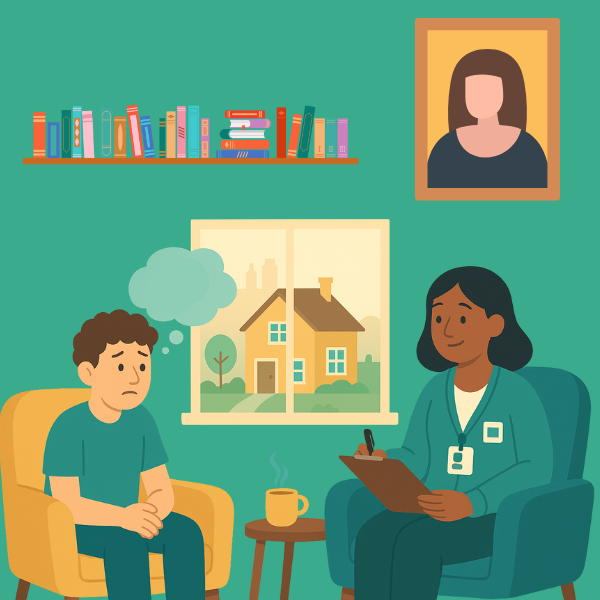
We are firm believers that every young person has the right to experience happiness, and for this reason we work with the most challenging cases, producing positive outcomes. Many who come to us are seeking long-lasting positive change and real therapeutic help that will benefit their mental health and overall well-being. Every young person we care for will have full access to our team of therapeutic practitioners, who’s goal is to enable our young people to live their life to their fullest potential. Below are the key theories which influence our therapeutic service.
Our approach to therapeutic care is inspired by the work of John Bowlby & Donald Winnicott – particularly their insights surrounding attachment theory & psychodynamic therapy.
Attachment theory focuses on the idea of creating a safe environment, which then becomes a secure base for the young person to explore the world around them. Our facilities have been designed to ensure our young people feel safe, secure, and comfortable in our homes.
Containment Theory dictates that the “container” – usually a key person in the young person’s life (in this context IDL practitioners), are able to acknowledge and accept a young person’s distress and makes experiences safe for them. homes.
CBT is used to explore the relationship between the thoughts, feelings and behaviours of our young people, to make them more aware of their triggers & actions. CBT can result in lower levels of anxiety, “happier” outlook on life and increased self control.
Psychodynamic Principles focuses on the intentions and motives of a young person rather than behaviour and actions alone. Using psychoanalysis we aim to help our young people understand their emotions and unconscious patterns of their behaviours.
It is important that practitioners maintain a fluid and up to date flow of information regarding each child or young person in our care between practitioners and other relevant stakeholders. We do this through regular team meetings focused on our young people.
Trauma-informed care recognises that many of our young people have experienced significant adversity, and that their behaviours are often responses to past harm. We prioritise building trusting relationships, and support young people to become independent in their daily lives.